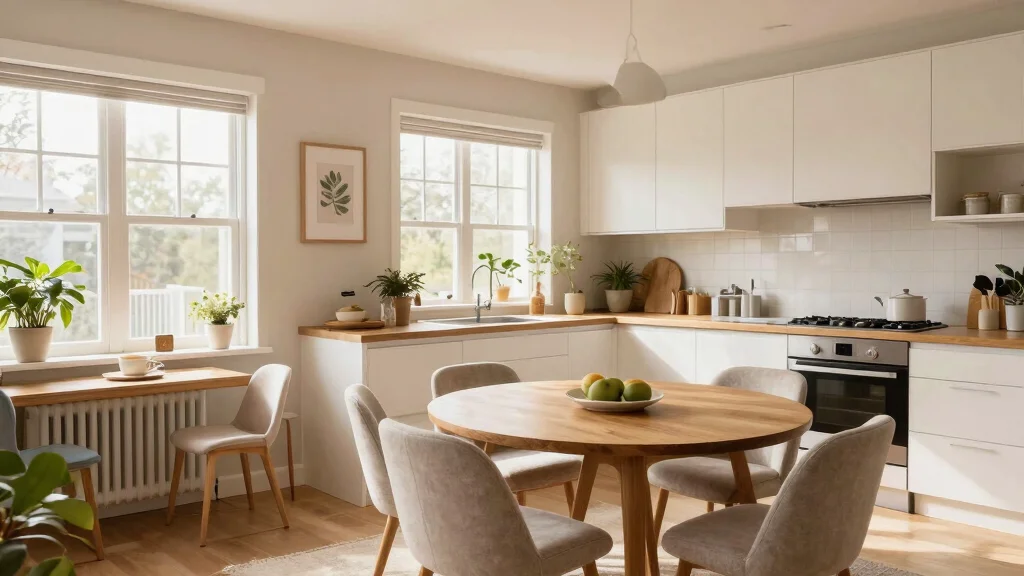
The kitchen and dining room are often the heart of the home, where meals are prepared and shared, and memories are created. If you’re feeling cramped or uninspired in your kitchen and dining setup, you’re not alone. Small spaces can pose a unique challenge, but they also hold the potential for creativity and functionality. That’s why I created this guide—to help you discover kitchen and dining room layout ideas that flow naturally, transforming your space into a welcoming and efficient area.
If you love home decor and want to maximize your small space, this post is for you. You’ll find fresh ideas that cater to various styles, from cozy nooks to open concept layouts. Whether you’re hosting a dinner party or enjoying a quiet breakfast, these layouts will enhance your experience. I’ve gathered 14 creative ideas, each designed to inspire and provide practical solutions. You’ll find tips and tricks to create a harmonious flow between your kitchen and dining space, making every meal a delight.
As you explore these layouts, think about how you can adapt them to your own home. With the right arrangement, you can create a space that feels larger, more inviting, and tailored to your needs. Let’s dive into these ideas and discover how you can elevate your kitchen and dining area today!
Key Takeaways
– Explore 14 unique kitchen and dining room layout ideas that maximize space and enhance flow.
– Discover open concept designs that create a seamless transition between cooking and dining areas, ideal for socializing.
– Learn about space-saving solutions like foldable furniture and multi-functional islands to make the most of your small area.
– Get inspired by various styles, including minimalist Scandinavian vibes and rustic farmhouse charm, to match your personal taste.
– Implement practical tips on color schemes and layouts that align with current home interior trends for a modern touch.
1. Open Concept Bliss
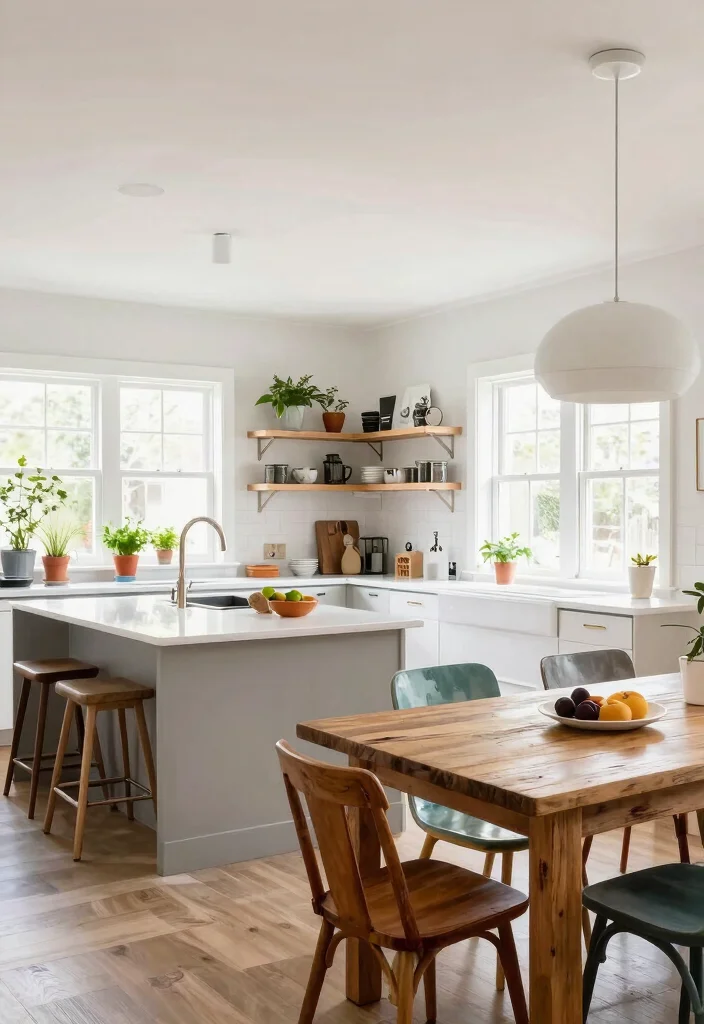
The allure of an open concept kitchen and dining area lies in its ability to blend spaces seamlessly, especially in smaller homes. This design fosters a natural flow, allowing family and friends to engage while you prepare meals. Picture a bright, airy space where the warmth of your cooking invites conversation and connection. Using natural materials like wood and light-colored cabinetry enhances this openness, making the area feel expansive and inviting.
To make the most of this layout, opt for a spacious kitchen island that can double as a dining table. Consider adding bar stools that tuck neatly under the island for a clean look. A cohesive color scheme, perhaps combining soft whites with light woods, can unify the space, while pendant lights above the island define the dining area without sacrificing warmth.
Consider these elements to maximize your open concept:
– Pair a large kitchen island with comfy bar stools
– Install cohesive cabinetry in light, airy colors
– Use pendant lights to delineate dining space
– Incorporate natural wood accents for warmth
This design not only enhances social interaction but also elevates the aesthetic appeal of your home. The blend of textures and materials contributes to a harmonious atmosphere that feels both stylish and welcoming.
2. Multi-Functional Breakfast Bar
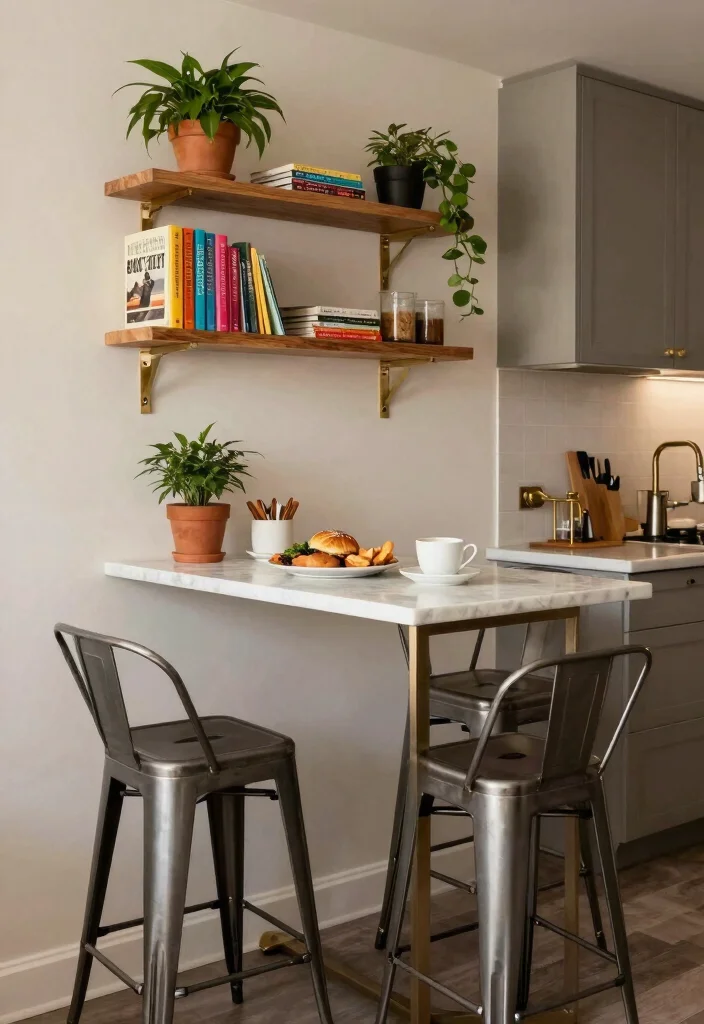
A breakfast bar is a smart addition to any kitchen, transforming it into a versatile space for cooking and dining. This design is especially beneficial in compact kitchens, providing a casual dining option that doesn’t crowd the area. Imagine enjoying your morning coffee or a quick dinner in a cozy nook that feels efficient yet inviting. Using materials like sleek wood or metal can enhance the bar’s functionality and style.
To implement a breakfast bar, choose a narrow table that fits comfortably between the kitchen and dining area. Pair it with minimalist stools that can slide out of sight when not in use. Wall-mounted shelves above can display your favorite cookbooks or decorative items, blending practicality with charm.
Here are some ideas to enhance your breakfast bar:
– Utilize a narrow, tall table for space efficiency
– Pair with sleek stools that tuck away easily
– Install open shelving above for decor and books
– Decorate with vibrant accents for a lively feel
This setup not only maximizes space but also adds a friendly touch to your kitchen, encouraging casual meals and gatherings that feel warm and welcoming.
Maximize small spaces with a breakfast bar—a smart anchor in kitchen and dining room ideas layout. Choose a narrow table in sleek wood or metal to add casual dining without crowding the flow. It’s practical, stylish, and ready for quick meals or coffee, every day.
Multi-Functional Breakfast Bar
Editor’s Choice




3. L-Shaped Layout
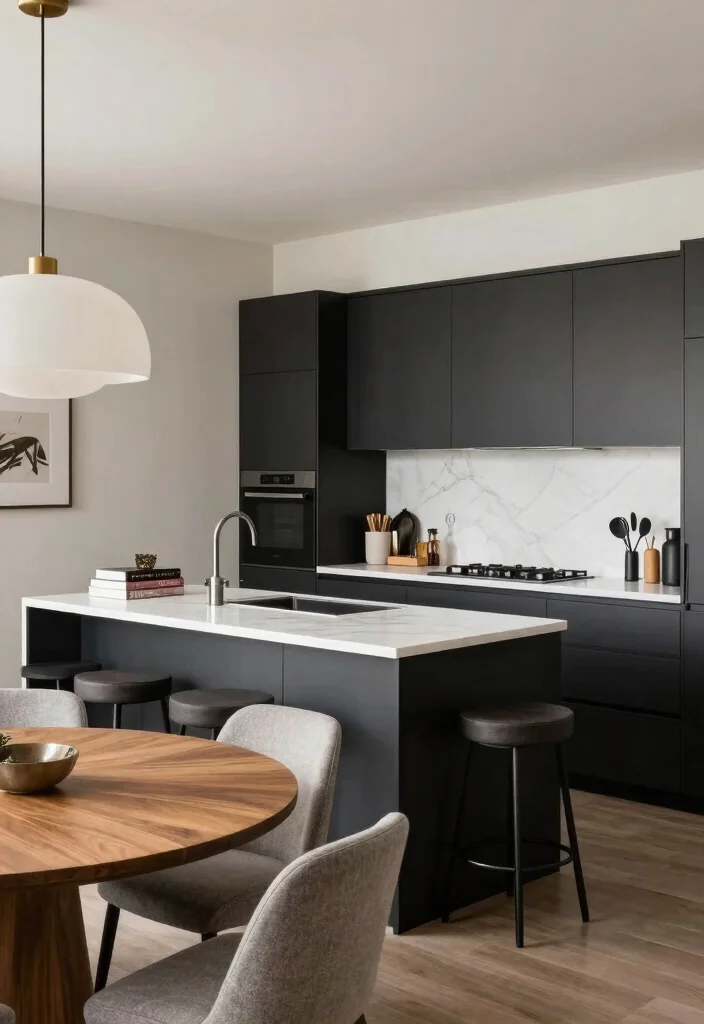
An L-shaped kitchen layout is a clever way to maximize corner space while maintaining a smooth flow to the dining area. This design promotes easy movement and organization, keeping everything within reach while creating an inviting atmosphere. Envision a well-organized kitchen where cooking and dining coexist effortlessly, enhanced by contrasting colors and textures. Using bold hues for cabinets and walls can add visual interest without overcrowding the space.
To make the most of an L-shaped layout, place a small round dining table within the open area, encouraging conversation and interaction. Adding pendant lighting over the table can create a warm, intimate vibe. Choose stylish bar stools or chairs that echo your kitchen decor for a cohesive look.
Consider these tips for your L-shaped kitchen:
– Incorporate a small round table for casual dining
– Use pendant lighting to enhance the dining area
– Select stylish seating that matches your decor
– Experiment with color contrasts for added interest
This design not only enhances functionality but also creates a visually appealing space where family and friends can gather comfortably.
L-Shaped Layout
Editor’s Choice


4. Cozy Nook Dining
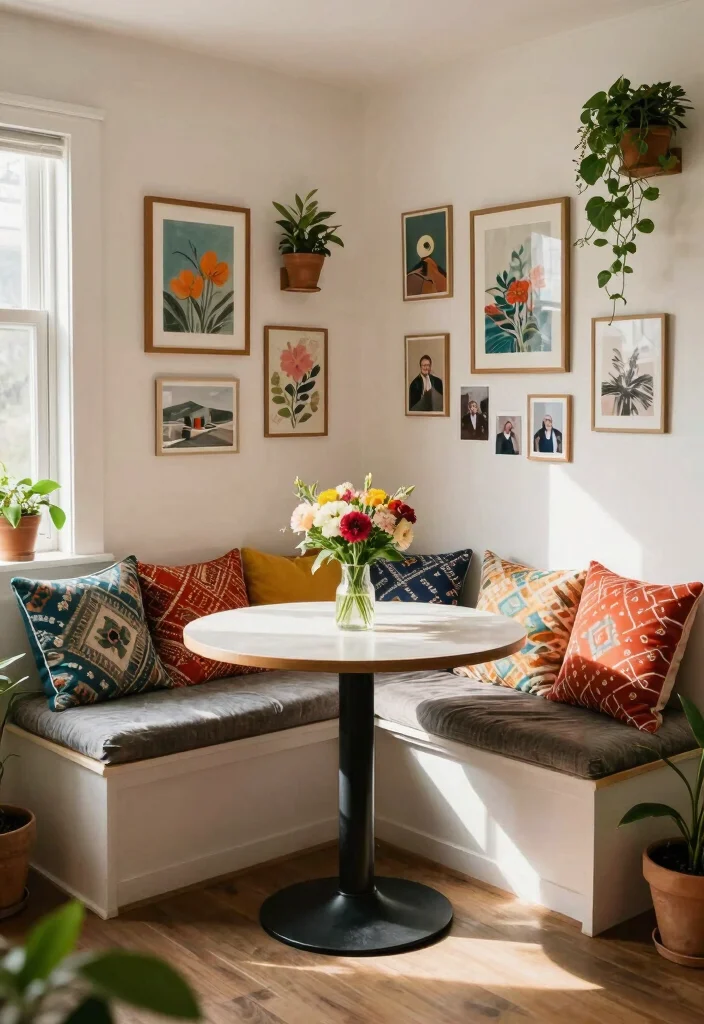
Creating a cozy nook in your kitchen provides a charming space for dining. This layout often features a built-in bench with cushions and a small table, perfect for relaxed breakfasts or casual meals. Imagine a snug corner filled with warmth and comfort, where every meal feels special. Bright patterns and soft textures can enhance the inviting atmosphere while maximizing space.
To create your cozy nook, select a corner that receives ample natural light. Choose cheerful fabrics for cushions to add personality and flair. A small, round table serves as a functional centerpiece, and wall art can reflect your style, making the nook a delightful dining spot.
Enhance your nook with these ideas:
– Position the nook in a well-lit corner for warmth
– Use vibrant patterns on cushions for personality
– Opt for a small round table to save space
– Incorporate wall art that reflects your style
This design not only maximizes the available area but also creates a welcoming atmosphere that invites family and friends to enjoy meals together.
5. Foldable Furniture Solutions
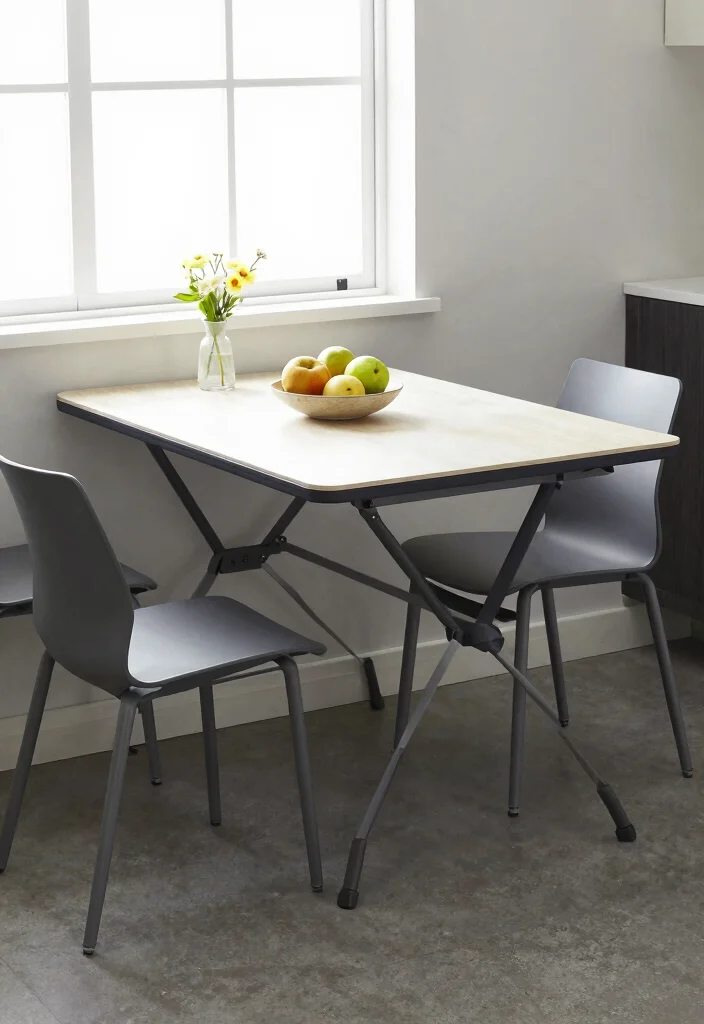
In smaller kitchens, foldable furniture can be a brilliant solution for maximizing space. A foldable dining table that tucks away when not in use can free up essential floor space while still providing a functional dining area. Picture a room that adapts to your needs, offering flexibility without compromising style. Durable materials like wood or metal can enhance the practicality of these pieces.
When selecting foldable furniture, look for tables that can extend to accommodate additional guests. Pair them with stacking chairs or stools that can be easily stored away, keeping the dining area tidy. This approach allows you to maintain an organized and stylish space that can adapt to any occasion.
Consider these foldable furniture tips:
– Choose extendable tables for extra seating when needed
– Use stacking chairs for easy storage
– Keep pathways clear for smooth movement
– Select stylish designs to enhance your decor
This layout not only promotes flexibility but also ensures that your dining area remains organized and inviting at all times.
6. Minimalist Scandinavian Vibe
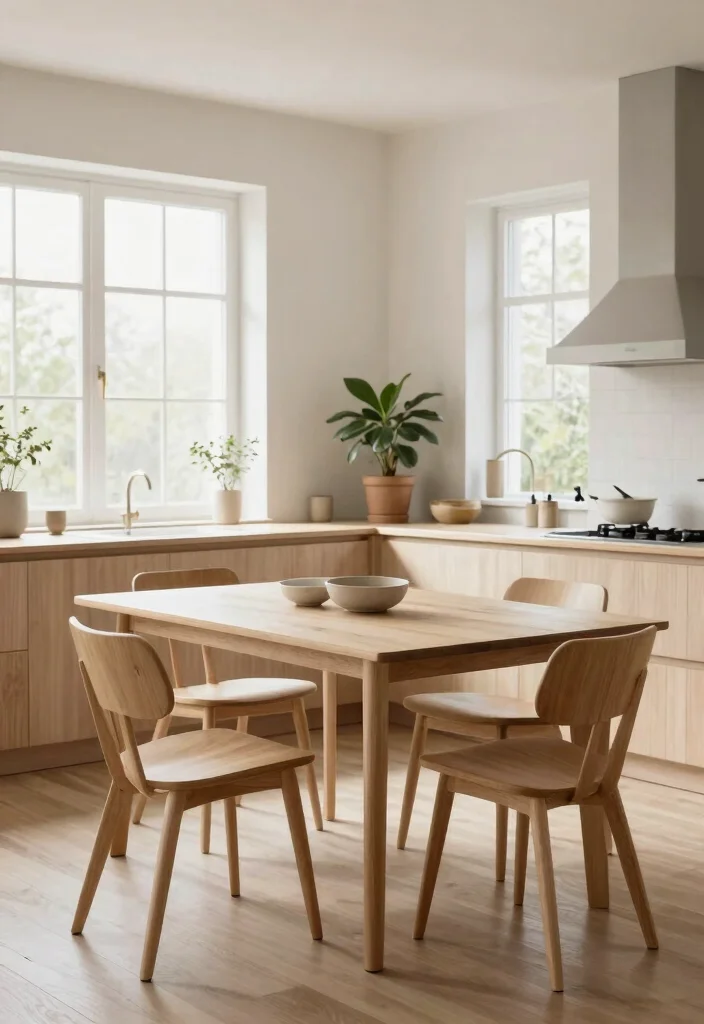
Embracing a minimalist Scandinavian design in your kitchen and dining layout creates a serene and functional space. This style emphasizes simplicity, natural materials, and a neutral color palette, making it perfect for cozy settings. Imagine a clean, calm environment where every piece serves a purpose while contributing to the overall aesthetic. Soft whites and light woods can enhance the airy feel of your space.
To implement this style, choose a sleek dining table paired with Scandinavian-inspired chairs. Incorporate wooden accents like a light wood table or potted plants for a touch of nature. Keep decor minimal with a few carefully selected items to maintain that spacious, uncluttered vibe.
Here are some Scandinavian design ideas:
– Opt for a sleek dining table with functional design
– Use wooden accents for a natural touch
– Keep decor minimal to enhance spaciousness
– Incorporate greenery for added warmth
This approach not only fosters a peaceful atmosphere but also elevates the functionality of your kitchen and dining area.
Keep it simple and purposeful: a minimalist Scandinavian vibe makes your kitchen and dining room ideas layout feel calm and practical. Soft whites, light wood, and clean lines create an airy, functional space you actually enjoy using.
7. Industrial Chic Combo
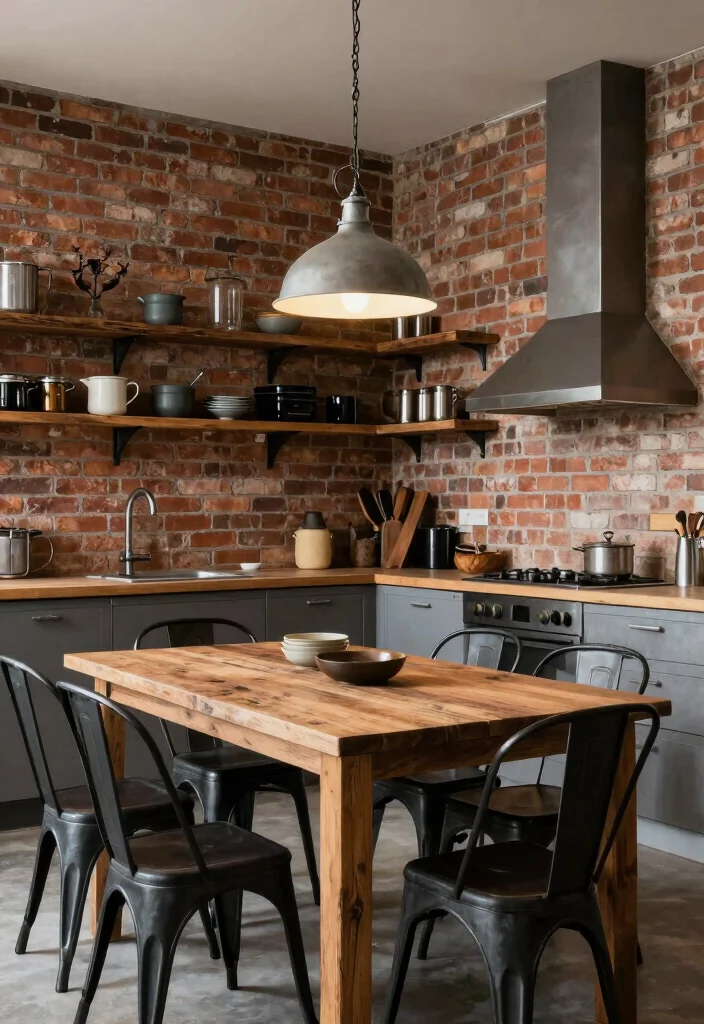
The industrial design trend brings a unique flair to your kitchen and dining layout, especially in urban environments. This style combines raw materials such as metal, wood, and exposed brick, creating a striking visual impact in smaller spaces. Picture a bold yet inviting area where character meets functionality, perfect for casual gatherings. Dark metals and natural wood can enhance this edgy aesthetic.
To embrace the industrial look, consider incorporating a metal dining table paired with wooden chairs. Use open shelving to display dishes and decor, allowing for both practicality and style. Adding Edison bulbs or vintage-inspired lighting fixtures can further enhance the industrial vibe while creating a warm atmosphere.
Here are some ideas to achieve industrial chic:
– Incorporate a metal dining table with wooden chairs
– Use open shelving for functional display
– Install Edison bulbs for a warm glow
– Mix textures for a layered look
This design not only captures the essence of urban living but also creates an inviting environment perfect for entertaining.
8. Corner Banquette Style
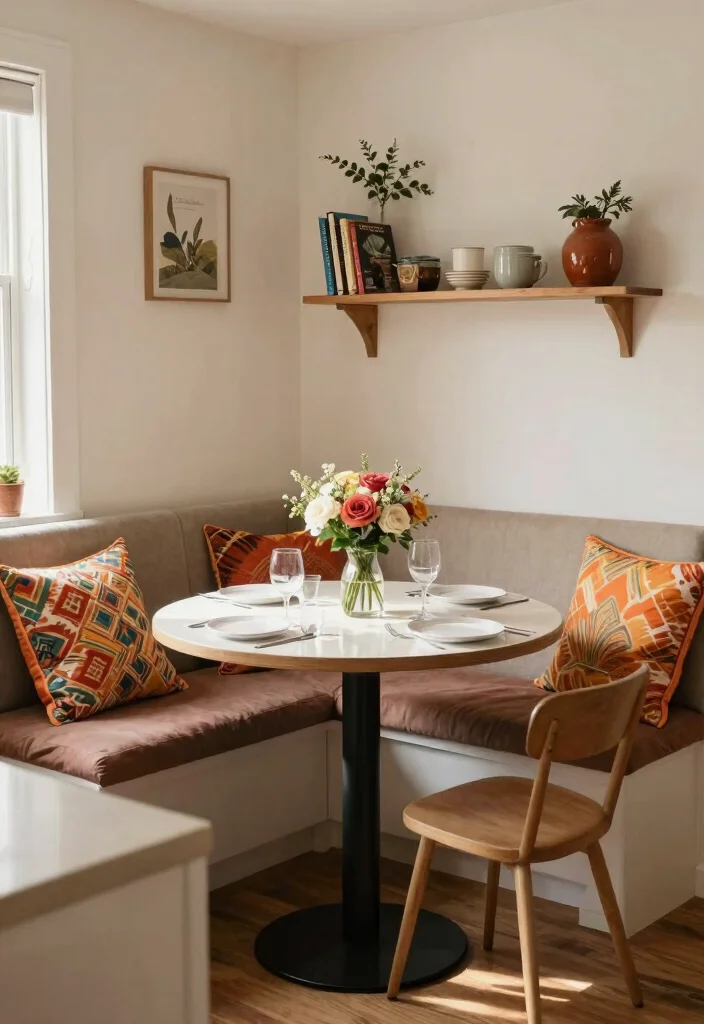
Integrating a corner banquette into your dining area is a smart way to maximize space while creating an intimate setting. This design fits snugly into corners, making it perfect for smaller kitchens and dining rooms. Envision a cozy nook where family and friends gather, enjoying meals in a comfortable and inviting atmosphere. Personal touches through cushions and decor can elevate the charm of this layout.
Design your banquette with built-in storage underneath to enhance functionality. Pair it with a small table that complements the overall look, and fill the area with colorful cushions to create an inviting feel. Adding personal elements such as framed photos or decorative items can make it a space that feels like home.
Consider these tips for your corner banquette:
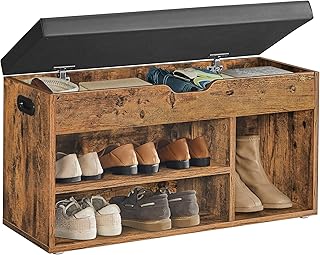
– Include built-in storage for added functionality
– Pair with a small table that complements the design
– Use colorful cushions for warmth and comfort
– Add personal decor to create a homely feel
This approach not only optimizes space but also creates a welcoming atmosphere for meaningful gatherings.
Corner Banquette Style
Editor’s Choice


Dimensions & Size Guide
Standard Sizes & Measurements:
When planning your kitchen and dining room layout, understanding standard sizes is crucial. Here are some common dimensions to help you get started:
– Dining Tables: Most dining tables are between 28 to 30 inches tall. The typical width varies from 30 to 48 inches, while lengths can range from 48 to 72 inches. Ensure you have at least 36 inches of space around the table for easy movement and chair placement.
– Chairs: Dining chairs are often around 18 to 20 inches high. Make sure to leave a minimum of 12 inches between the seat of the chair and the bottom of the table for comfort.
– Kitchen Islands: Standard islands are usually 36 inches high, which is the same height as countertops. Width can range from 24 to 48 inches, and length should ideally be at least 60 inches for usability.
– Walkways: For comfortable movement, aim for at least 42 inches in walkways between the kitchen and dining areas. If two cooks are working together, consider increasing that to 48 inches.
– Appliances: Standard refrigerator sizes are 30 to 36 inches in width, with depths around 30 inches. Ensure you allow at least 15 inches of clearance around the appliance for proper ventilation.
Quick Reference Table:
Size/Dimension – Best for: [use case], Minimum space needed: [measurement]
– Dining Table (6-seater): – Best for: Family meals, gatherings, Minimum space needed: 72 inches x 48 inches
– Kitchen Island (standard): – Best for: Prep space, casual dining, Minimum space needed: 60 inches x 36 inches
– Chair: – Best for: Comfort around the table, Minimum space needed: 12 inches clearance under the table
– Walkway Width: – Best for: Easy movement, Minimum space needed: 42 inches
Space Planning Tips:
Measuring your space correctly is essential for a functional layout. Here are some practical tips:
1. Use a Measuring Tape: Always measure your space before purchasing any furniture. Record the heights, widths, and lengths of every area you plan to use.
2. Create a Floor Plan: Sketch your kitchen and dining area on graph paper or use an online tool. This helps visualize how everything fits together.
3. Leave Room for Doors and Drawers: When planning, ensure to consider the space needed for appliance doors and cabinet drawers to open fully.
4. Avoid Clutter: Keep pathways clear of furniture. Ensure there’s enough space for movement to prevent accidents and create a comfortable atmosphere.
5. Check for Proportions: When choosing furniture, ensure the sizes match the scale of your room. Oversized furniture can make a small space feel cramped.
Pro Tip: The most important measurement to keep in mind is the distance between the dining table and surrounding furniture. A minimum of 36 inches will ensure you and your guests can move around comfortably without bumping into things. This small adjustment can make a big difference in how your kitchen and dining area feel!
9. Two-in-One Kitchen Island
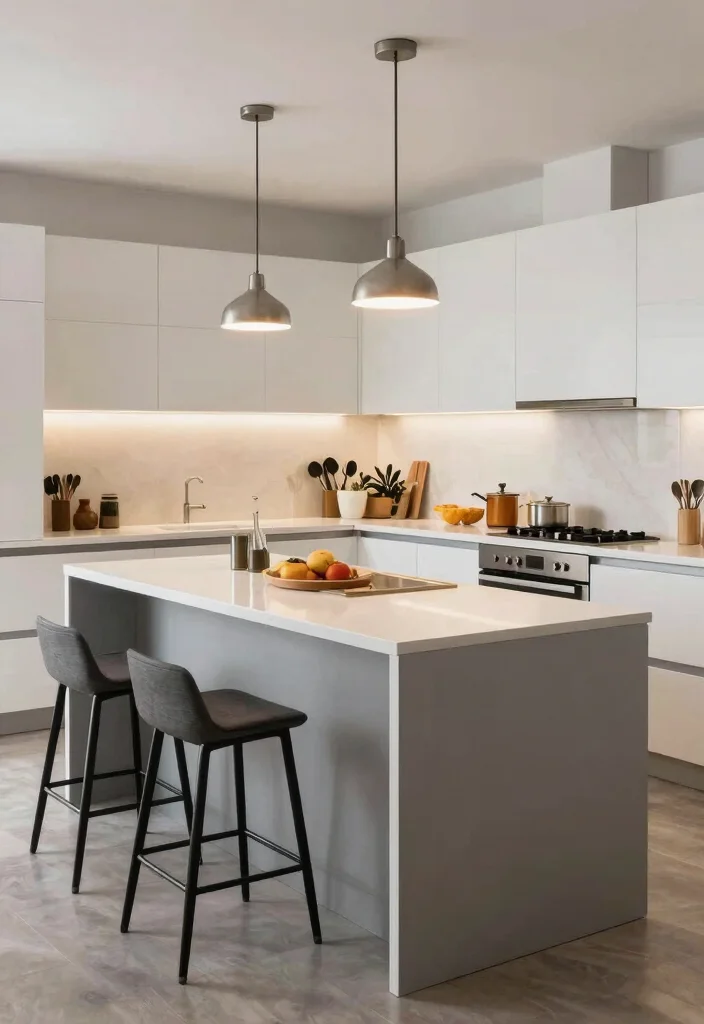
A multi-functional kitchen island is an excellent solution for small spaces, serving as a prep area, cooking space, and casual dining spot all in one. Imagine an efficient design that brings everyone together, making meal prep a social affair. Using durable materials like granite or quartz for the island can enhance both style and practicality.
When selecting a kitchen island, opt for one that includes built-in storage or shelving for easy access to kitchen essentials. Incorporate seating on one side to create a casual dining nook that encourages interaction. Using bold colors or unique finishes can turn your island into a stunning focal point in your kitchen.
Here are some tips to enhance your kitchen island:
– Choose an island with built-in storage for convenience
– Incorporate seating for a cozy dining area
– Use bold colors or unique finishes for impact
– Keep the design functional yet stylish
This design not only maximizes usability but also enhances the overall aesthetic of your kitchen, creating a lively gathering space.
10. Gallery-Style Dining
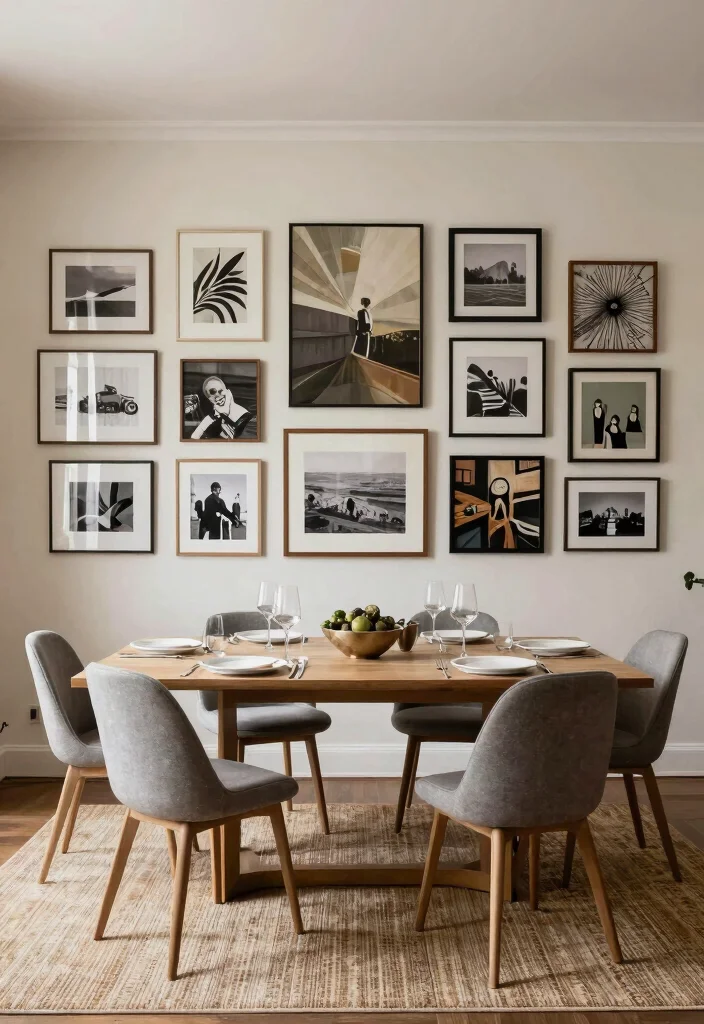
Transform your dining area into a gallery-style space by displaying art and decor that reflects your personal style. This layout creates an engaging atmosphere that’s perfect for intimate dinners and gatherings. Imagine a vibrant space where artwork sparks conversation and adds character to every meal. Select pieces that resonate with you to create a unique ambiance.
To achieve a gallery-style dining area, focus on a focal point by hanging a large canvas or a collection of smaller artworks on a wall. Pair your art display with a simple dining table and chairs that allow the artwork to shine. Using a neutral color palette can ensure the artwork stands out while adding charm to your dining experience.
Consider these ideas for a gallery-style dining area:
– Hang a large canvas or a collection of art pieces
– Pair with a simple dining table for balance
– Keep the color palette neutral to highlight art
– Incorporate conversation-starting decor
This design not only elevates the aesthetic appeal but also creates an inviting environment that encourages connection among guests.
11. Rustic Farmhouse Charm
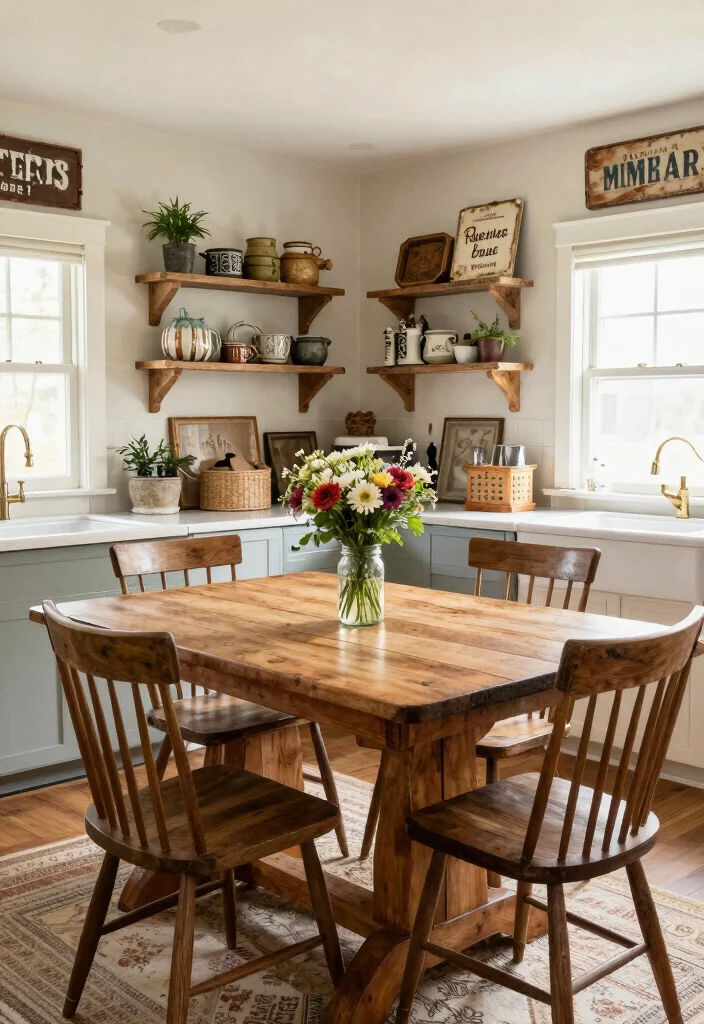
Incorporating rustic farmhouse elements into your kitchen and dining layout creates a warm and inviting atmosphere. This style emphasizes natural materials, vintage decor, and cozy furnishings, making it ideal for small spaces that crave character. Imagine a charming setting filled with wood accents and soft textiles, where every meal feels like a cozy gathering. Using reclaimed wood and earthy tones can enhance the rustic feel.
To embrace rustic charm, consider adding a farmhouse table surrounded by mismatched chairs for a relaxed vibe. Decorate walls with vintage signs or rustic shelving to showcase cherished items. Accessories like woven baskets or fresh flowers can tie the look together, creating a delightful dining experience.
Here are some ideas to enhance rustic farmhouse charm:
– Use a farmhouse table with mismatched chairs
– Decorate with vintage signs and rustic shelves
– Incorporate accessories like woven baskets
– Use fresh flowers for a pop of color
This approach not only fosters a cozy environment but also creates a welcoming space where everyone can gather and enjoy each other’s company.
12. Bright and Bold Colors
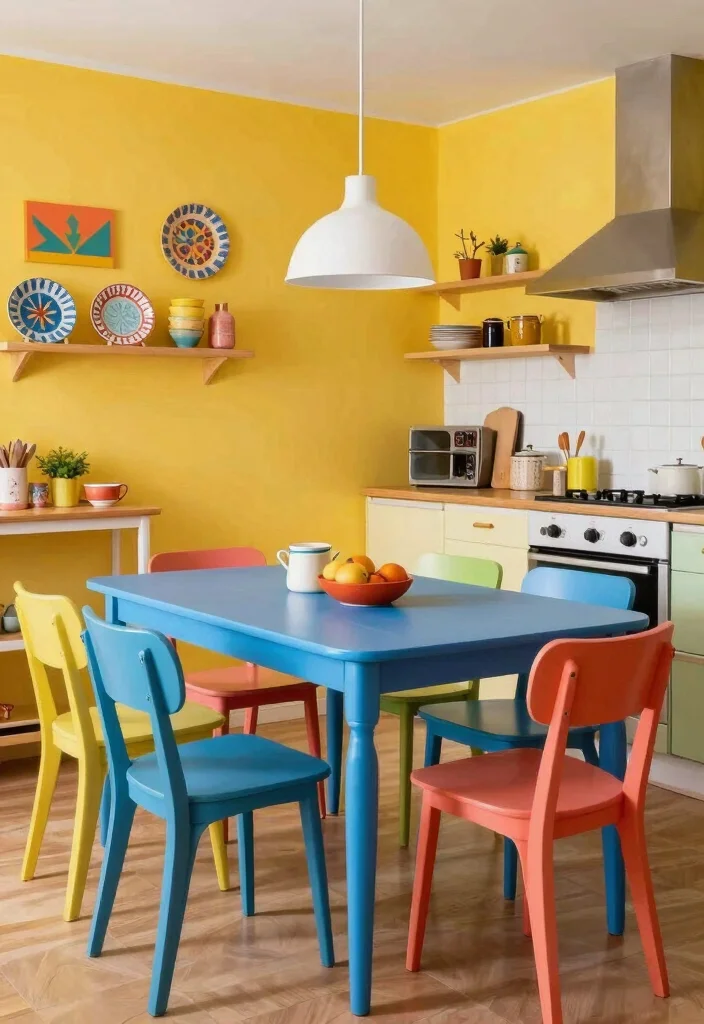
Embrace bright, bold colors in your kitchen and dining layout for a lively and energetic atmosphere. This playful approach can infuse fun into your space, making meals and gatherings feel vibrant and exciting. Imagine a room bursting with colors that uplift your mood and stimulate conversation. Thoughtful combinations of hues can enhance the overall design while keeping it cohesive.
To incorporate bold colors, consider colorful furniture, such as a bright dining table or chairs, or paint an accent wall in a vibrant shade. Use colorful tableware and decor to add splashes of color throughout the space. Balancing these bold elements with neutral tones in cabinetry or flooring can create a cohesive look.
Here are some tips for using bright colors:
– Incorporate colorful furniture for a lively feel
– Paint an accent wall in a vibrant hue
– Use colorful tableware for visual interest
– Balance bold colors with neutral tones
This approach not only creates a cheerful atmosphere but also brings personality and flair to your kitchen and dining area.
13. Vertical Storage Solutions
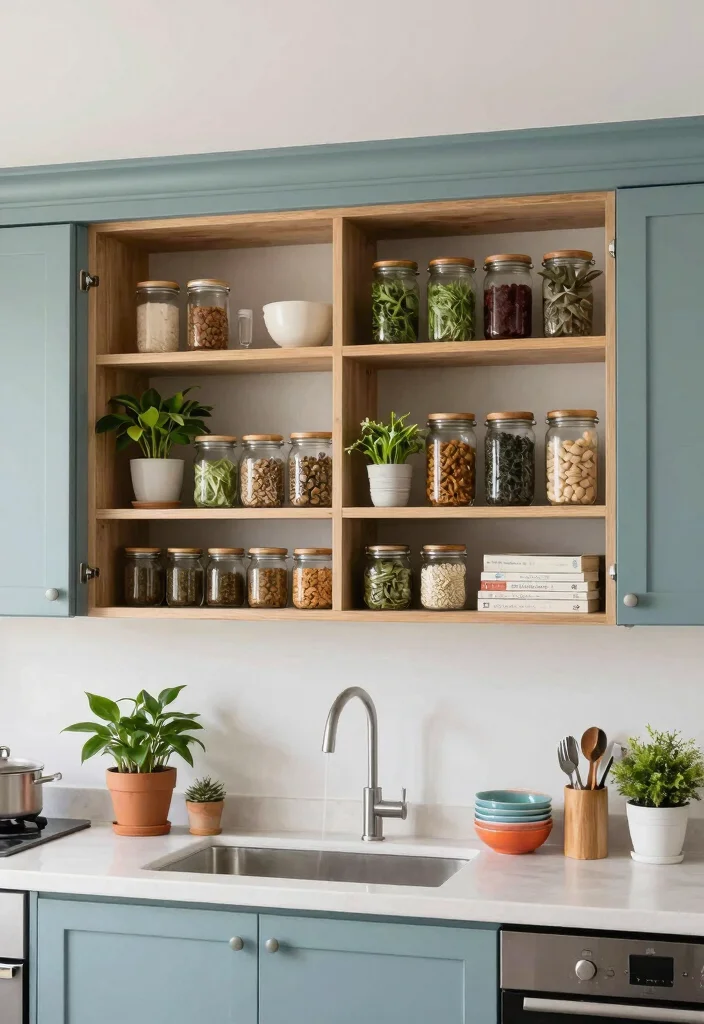
Maximizing vertical space in small kitchens can significantly enhance organization and style. Installing shelves and cabinets that reach the ceiling helps keep your kitchen clutter-free while offering a trendy look. Imagine a space where everything you need is within reach, yet beautifully displayed. Using stylish containers and decor can elevate the aesthetic while maintaining functionality.
To optimize vertical storage, consider wall-mounted shelves for spices, pots, or cookbooks, keeping countertop clutter to a minimum. Use decorative baskets or attractive jars to organize items, adding visual interest to the space. This layout not only maximizes storage but also enhances the trendy appearance of your kitchen.
Here are some vertical storage ideas:
– Install shelves that reach the ceiling for maximum storage
– Use wall-mounted solutions for spices and pots
– Incorporate decorative baskets for organization
– Select stylish containers to enhance decor
This approach not only optimizes space but also contributes to a chic and organized kitchen environment.
Vertical storage turns a small kitchen into a functional showpiece. Install shelves to the ceiling so spices, pots, and cookbooks are within reach, while your kitchen and dining room ideas layout stays sleek. Pro Tip: label clear containers for instant order.
Vertical Storage Solutions
Editor’s Choice



14. Personalized Thematic Design
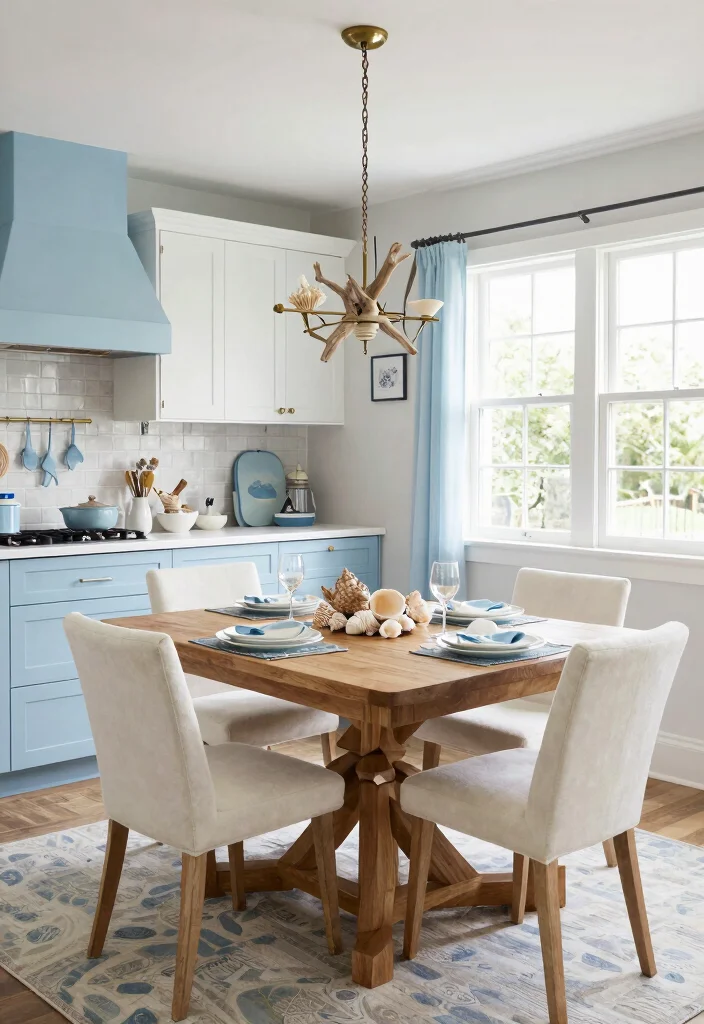
Designing your kitchen and dining area around a personal theme can create a unique and memorable space. Whether it’s coastal, vintage, or ethnic influences, a thematic design tells a story that resonates with you. Imagine a room that reflects your interests and tastes, creating a welcoming atmosphere for you and your guests. Thoughtful color choices and decor can enhance this personalized touch.
To incorporate your theme, focus on color palettes, furnishings, and decor that align with your vision. For instance, a coastal theme might feature blues, whites, and beach-inspired decor, while a vintage theme could highlight retro kitchenware and warm wood tones. This layout fosters a warm environment that invites connection around the dining table.
Here are some ideas for a personalized thematic design:
– Choose colors that reflect your chosen theme
– Incorporate themed decor and furnishings
– Use accents that tell your story
– Create a cohesive look that invites warmth
This approach not only enhances the aesthetic appeal but also fosters a welcoming atmosphere for everyone to enjoy.
Personalized Thematic Design
Editor’s Choice


Conclusion
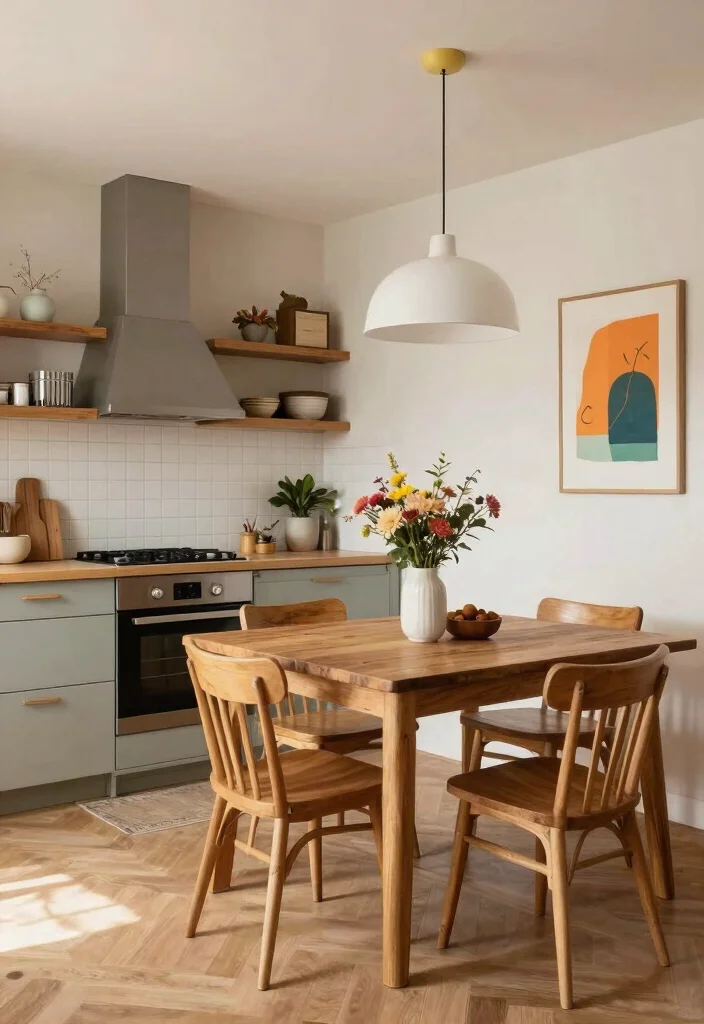
Creating a kitchen and dining area that flows naturally is all about balancing functionality with personal style. Each of the layouts discussed offers unique solutions for maximizing space and enhancing comfort, especially in small areas.
By embracing trends that resonate with you, whether they’re minimalistic or boldly colorful, you can transform your home into a beautiful, welcoming environment that reflects your tastes. So, which layout will you choose? Let your creativity shine as you reimagine your space!
Note: We aim to provide accurate product links, but some may occasionally expire or become unavailable. If this happens, please search directly on Amazon for the product or a suitable alternative.
This post contains Amazon affiliate links, meaning we may earn a small commission if you purchase through our links, at no extra cost to you.
Frequently Asked Questions
What are the best kitchen and dining room ideas layout for small spaces?
When space is tight, the goal is a single, natural flow that keeps prep, cooking, and dining within easy reach. Try an L-shaped or galley kitchen paired with a compact dining nook or wall-mounted drop-leaf table. Add built-in storage, toe-kick drawers, and vertical shelving to keep counters clear and the room feeling open. This approach is a practical example of kitchen and dining room ideas layout that work in small spaces.
How can I create open concept layouts in a compact kitchen and dining area?
Open concept layouts thrive on light, continuity, and clear sightlines. Use a consistent color palette and flooring to visually merge spaces, and avoid bulky walls between areas. A short horizontal island can define zones without blocking flow, and pocket doors or glass-front cabinets help maintain openness. This keeps your open concept layouts feel bright and connected in your space.
What space-saving solutions help kitchen and dining room layouts flow naturally?
Look for fold-down surfaces, nesting tables, and dining benches with hidden storage to maximize every inch. Choose slim-profile appliances, wall-mounted lighting, and floating shelves to reduce visual clutter. A wall-mounted or built-in seating area can serve as both a dining space and a storage hub, keeping the focus on flow and function in your layout.
Which kitchen design tips can boost dining room inspiration while keeping traffic moving?
Design with traffic in mind: align the fridge, sink, and stove in a triangle and keep a clear path to the dining area. Use natural light and layered lighting to create ambiance for meals and work zones. For kitchen design tips that support both function and style, pair a compact table with scalable chairs or a bench, and let your decor reflect current home interior trends while staying practical. This blends dining room inspiration with everyday usability in a kitchen and dining room ideas layout.
What common layout mistakes should I avoid in a kitchen and dining room setup?
Common pitfalls include blocking paths, overfilling with too-large furniture, and isolating the dining area from the prep zone. Avoid placing the table in a high-traffic corridor and skip dead zones that waste space. Instead, aim for a flow that supports easy navigation and casual interaction—use space-saving solutions like benches, extendable tables, and wall-mounted storage. By anticipating traffic and scale, you’ll nail the common layout mistakes and achieve a harmonious kitchen and dining room ideas layout that flows naturally.