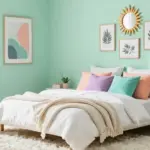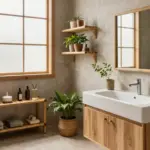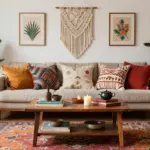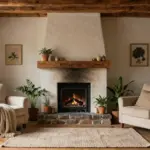
Creating a cozy and functional living room can feel like a daunting task, especially when you’re dealing with limited space. The need for separate zones within a small living area often leaves you scratching your head. That’s why I put together this guide on partition ideas for living rooms that not only define spaces but also add style. Whether you’re working with a compact apartment or a shared living space, having distinct areas can make your home feel more organized and inviting.
If you’re someone who loves home decor and wants to maximize every square inch, you’re in the right place. This post is for anyone looking to enhance their living room design, whether you’re a design novice or a seasoned pro. You’ll find ideas that cater to different tastes and needs, helping you create a space that feels both functional and aesthetically pleasing.
So, get ready for some inspiring ideas! I’ve gathered 12 innovative partition concepts that are stylish, practical, and easy to implement. You’ll learn how to use everyday items and smart design tricks to carve out your perfect living zones. Let’s dive in!
Key Takeaways
– Utilize Open Shelving: Open shelving can act as a stylish room divider while displaying decor items, books, or plants. This keeps your living area airy and functional.
– Incorporate Curtains: Curtains offer flexibility in your space. They are perfect for easily separating areas when needed and can be drawn back to create an open feel.
– Opt for Decorative Screens: Decorative folding screens can serve as eye-catching dividers. They add a touch of personality and style to any room while breaking up the space.
– Explore Multi-Functional Furniture: Furniture that serves multiple purposes, like a sofa bed or an ottoman with storage, can help define areas without taking up too much space.
– Use Color and Patterns: Using color and patterns can visually separate zones without the need for actual walls. This lets you create a cohesive look that ties everything together beautifully.
1. Open Shelving as Room Dividers
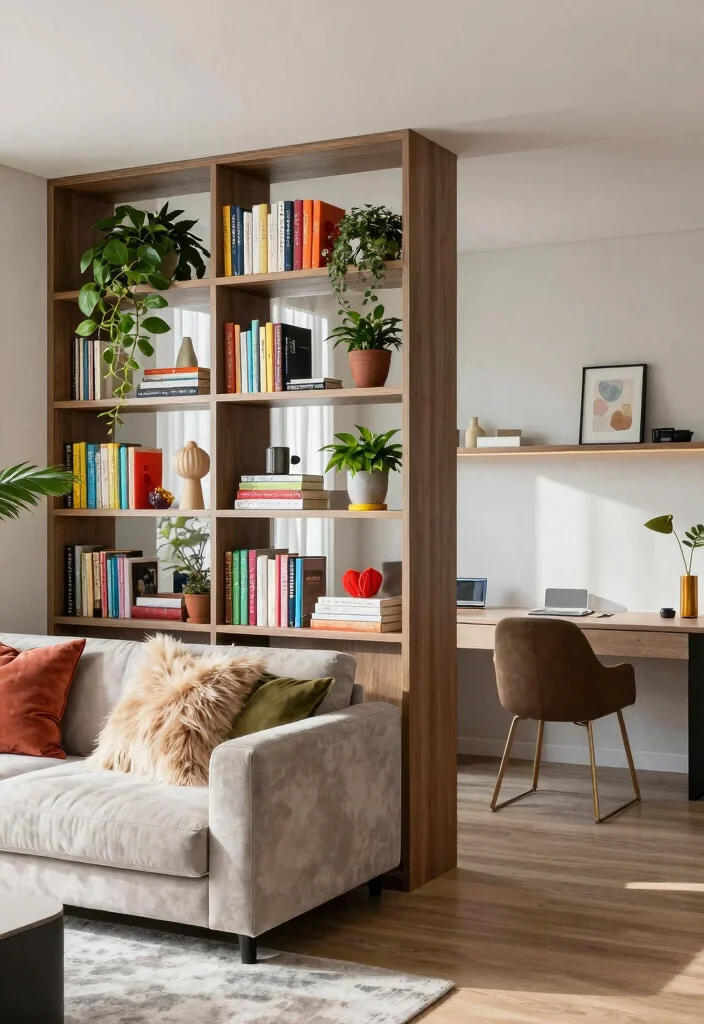
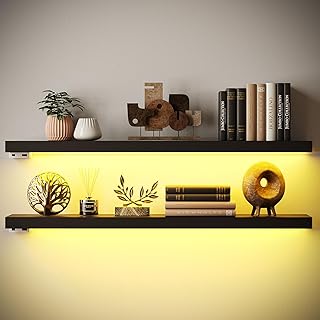
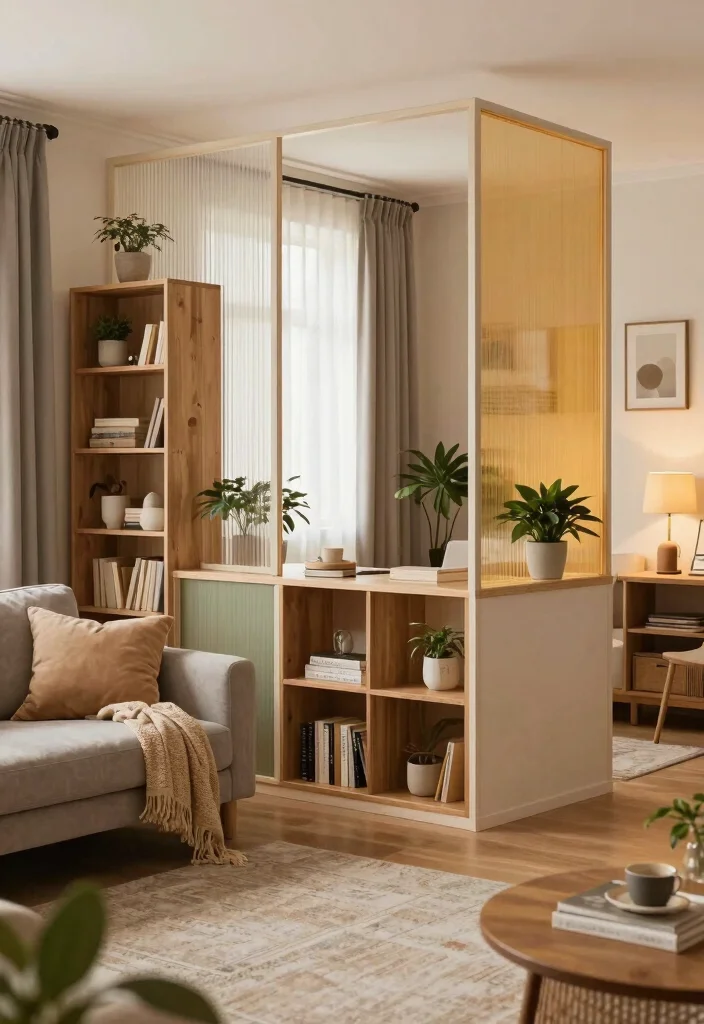
Open shelving units serve as a stylish option to divide your living room while keeping it airy and inviting. These versatile pieces not only organize your essentials but also showcase your favorite items, blending function with aesthetics beautifully. Picture a sleek shelf that elegantly separates your cozy seating area from a bright workspace, enhancing both zones effortlessly.
To make the most of open shelving in your space, consider these practical tips:
– Select shelves that reflect your personal style, whether it’s rustic wood or modern metal.
– Arrange a mix of books, plants, and decorative items to create visual interest.
– Keep the lower shelves uncluttered for a tidy appearance, while using the upper shelves for larger decor pieces.
Implement these ideas to maximize your open shelving:
– Pair open shelves with a cozy reading nook for a functional setup.
– Use them to display family photos and art, making your space feel personal.
– Incorporate lighting above or within the shelves to highlight your favorite displays.
This approach not only enhances organization but also allows light to flow freely, making your living room feel spacious and connected.
Open Shelving as Room Dividers
Editor’s Choice




2. Curtain Partitions for Flexibility
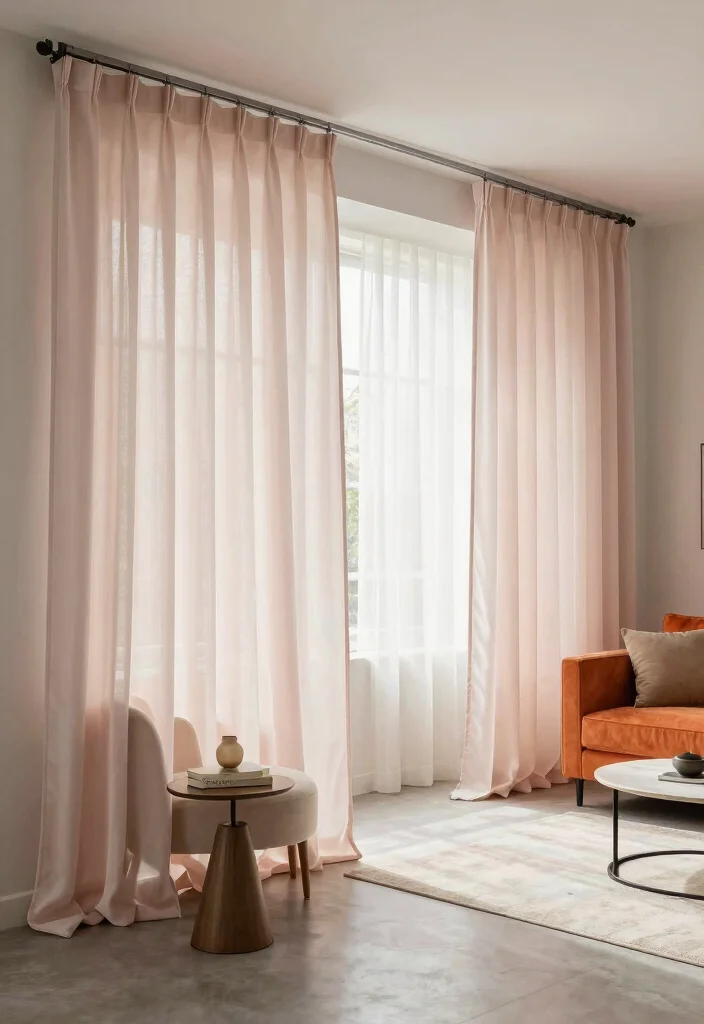
Curtains offer a soft, flexible way to define areas in your living room, allowing you to adapt your space as needed. They provide an effortless way to create privacy and separation while maintaining an inviting atmosphere. Imagine drawing back sheer curtains to open up your living area or closing them to create a snug reading nook.
To effectively use curtains as partitions, keep these tips in mind:
– Select colors or patterns that harmonize with your existing decor.
– Install ceiling tracks for smooth and easy operation.
– Choose lightweight, sheer fabrics that maintain an airy feel while providing subtle division.
Utilize these ideas to enhance your living space:
– Layer curtains for added texture and visual depth.
– Use bold colors in curtains to make a statement in the room.
– Consider using patterned curtains to add character and warmth.
This simple yet effective solution can transform your living room’s ambiance, making it feel more intimate and versatile.
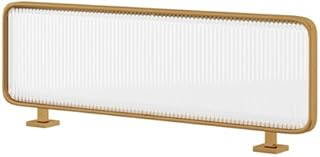
3. Decorative Screens for Style
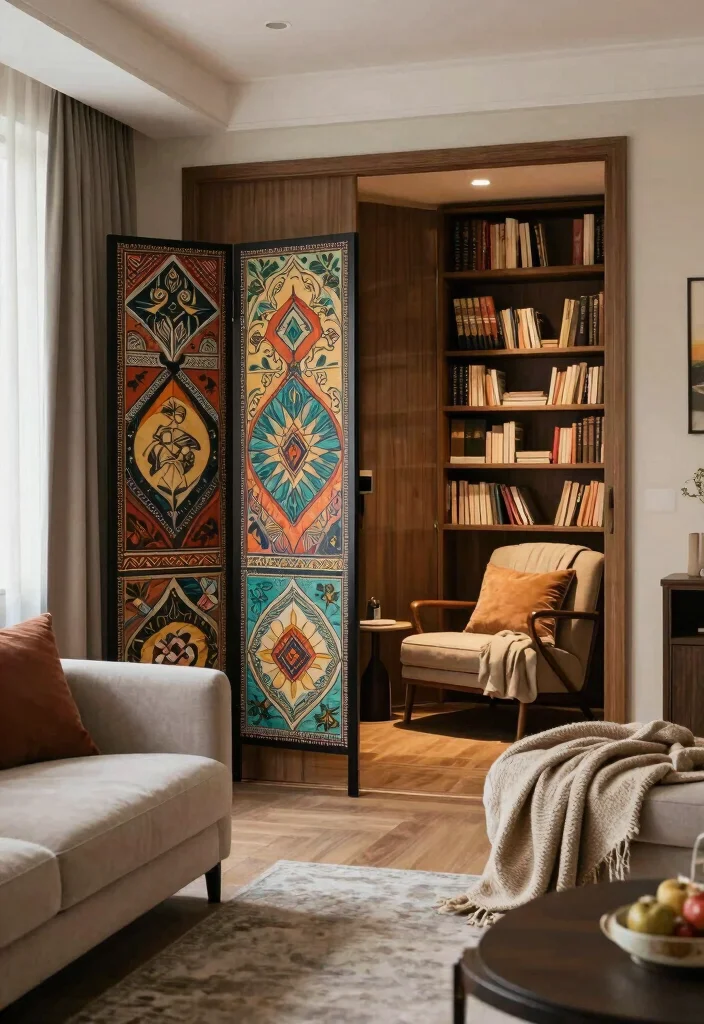
Decorative screens bring an artistic touch to your living room while serving as practical dividers. With countless designs available, from folding screens to intricate panels, they can become a captivating focal point in your space. Visualize a beautifully crafted screen that not only divides but also enhances your decor, creating a unique atmosphere.
To incorporate screens effectively, consider these suggestions:
– Choose a design that complements your home’s overall aesthetic, whether it’s modern or traditional.
– Position a screen to frame a cozy corner for reading or relaxation.
– Opt for movable screens that allow for easy repositioning as needed.
Enhance your decor further with these ideas:
– Use a screen to display artwork or photographs, adding a personal touch.
– Create a small gallery space with multiple screens for a creative display.
– Integrate plants alongside screens to soften the look.
By adding decorative screens, you not only partition your living areas but also infuse character and charm into your home.
Fun fact: decorative screens can define a zone and boost perceived space by up to 30% in small living rooms. For partition ideas for living room, choosing a design that complements your decor turns the screen into a stylish focal point you’ll actually use.
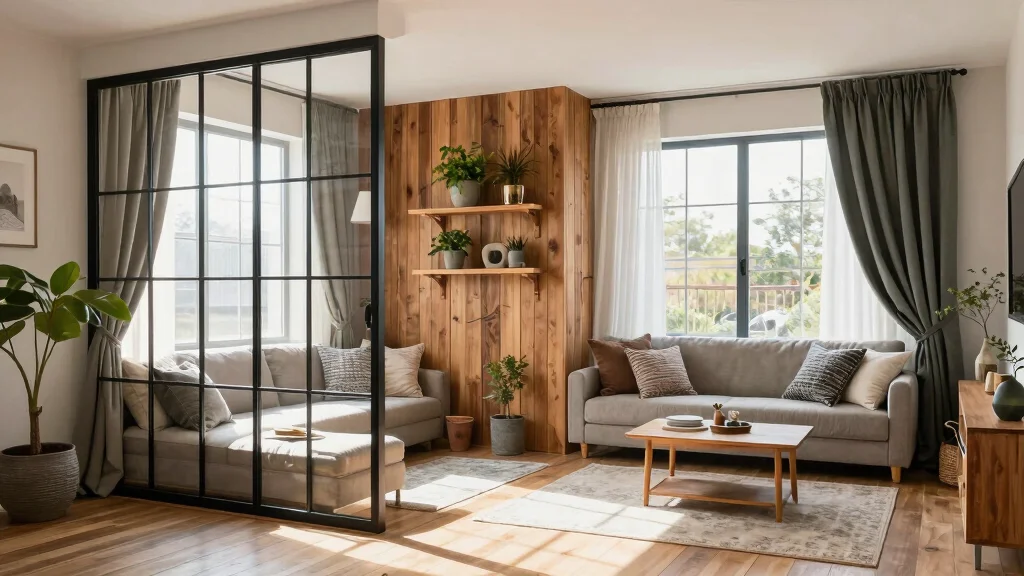
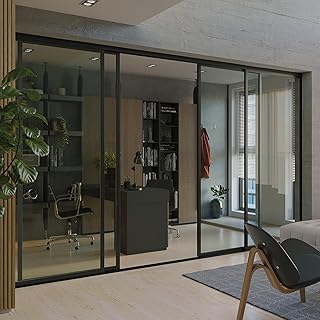
4. Glass Partitions for a Modern Touch
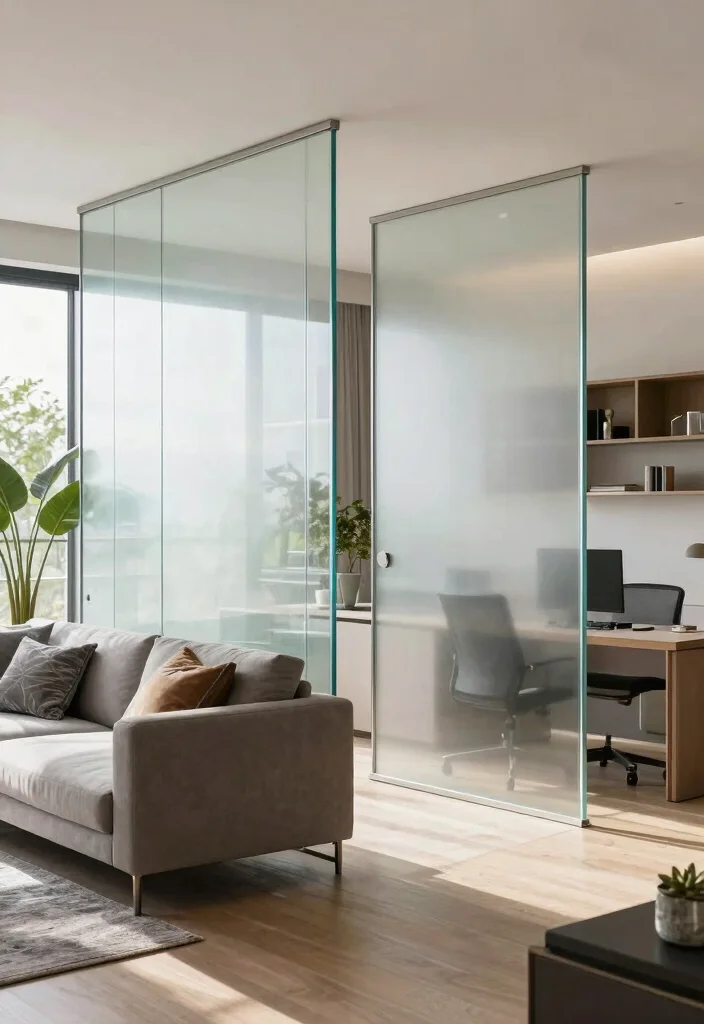
Glass partitions offer a contemporary solution for defining zones in your living room while maintaining an open and spacious feel. They allow natural light to flow through, creating bright and airy environments while clearly segmenting different areas. Imagine sleek glass panels that seamlessly separate your workspace from your entertainment area, enhancing functionality without compromising style.
Here are some benefits to consider when using glass:
– Embrace a modern aesthetic that elevates your decor.
– Select frosted or textured glass for added privacy while still allowing light to filter through.
– Ideal for distinguishing workspaces or play areas from the main living zone.
Implement these ideas to enhance your living space:
– Use glass to create a striking backdrop for your favorite decor items.
– Frame a view of your garden or outdoor area to connect indoor and outdoor living.
– Pair glass partitions with plants for a refreshing contrast.
This design choice not only enhances your living room’s sophistication but also amplifies its overall spaciousness.
Glass Partitions for a Modern Touch
Editor’s Choice


Key Trade-offs & Our Top Pick
When it comes to partition ideas for living room spaces, you have a variety of options. Each has its advantages and limitations. Choosing the right one depends on your needs, style, and the layout of your living area. Let’s break down the main options you can consider:
Option 1: Open Shelving as Room Dividers
– Pros:
– Creates a stylish display area for books and decor.
– Allows light to flow through, keeping the space feeling open.
– Cons:
– Can look cluttered if not organized well.
– Offers less privacy compared to solid dividers.
– Best for: Those who want a combination of functionality and artistic flair, especially in modern decor ideas.
Option 2: Curtain Partitions for Flexibility
– Pros:
– Easy to set up and take down as needed.
– Available in various colors and fabrics to match your home interior styles.
– Cons:
– May not provide enough sound insulation.
– Can collect dust and require regular cleaning.
– Best for: Renters or anyone who wants a temporary solution that allows for quick changes in layout.
Option 3: Decorative Screens for Style
– Pros:
– Adds a decorative element while serving as a divider.
– Available in many designs to fit different tastes.
– Cons:
– Can be less stable if not secured properly.
– May take up more floor space than other options.
– Best for: Individuals looking for a quick, stylish partition that also enhances room aesthetics.
Option 4: Glass Partitions for a Modern Touch
– Pros:
– Provides an elegant and upscale look.
– Keeps the area bright by allowing light to pass through.
– Cons:
– Can be expensive and may require professional installation.
– Less privacy compared to solid dividers.
– Best for: Homeowners wanting a sleek, contemporary look that maintains an airy feel.
Option 5: Multi-Functional Furniture
– Pros:
– Serves multiple purposes, saving space.
– Can be stylish and blend with existing furniture.
– Cons:
– May require a bit more planning for layout.
– Limited options for larger spaces.
– Best for: Small space living where every inch counts, allowing for creative design choices.
Expert Recommendation:
Best Overall: Open Shelving as Room Dividers
This option balances aesthetics and functionality wonderfully. Open shelving not only acts as a divider but also provides a space for your favorite items to shine. It fits seamlessly into various home interior styles, making it a versatile choice for most living room designs. Plus, it gives you a chance to show off your personality through decor.
Why We Picked This:
While open shelving is our top pick, some might prefer curtain partitions for their flexibility and ease of use. If you’re looking for a quick and temporary solution, curtains could be your best bet. Decorative screens may appeal to those focused on style, while glass partitions suit those wanting a modern touch. Ultimately, your choice should reflect your lifestyle, space needs, and personal style.
5. Use of Rugs to Define Areas
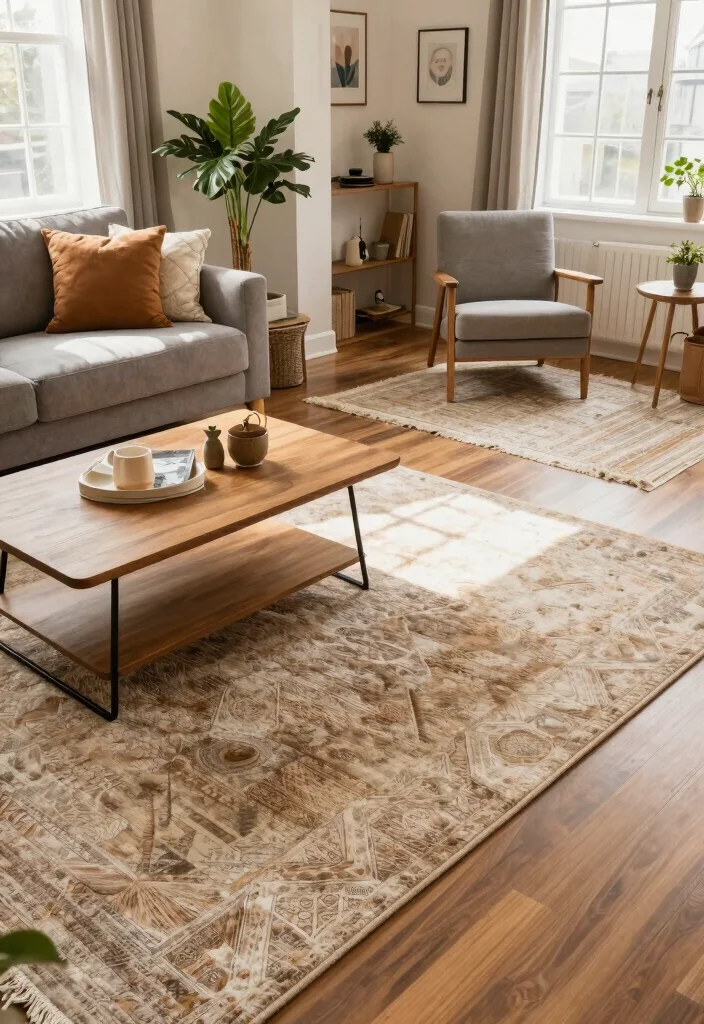
Rugs can effectively delineate spaces in your living room, adding warmth and texture while visually separating areas. They are a simple yet impactful way to enhance your decor. Imagine stepping onto a soft area rug that clearly defines your cozy seating space from the dining area, creating a welcoming atmosphere.
Here are some practical tips for using rugs effectively:
– Select different styles or colors for each zone to establish visual boundaries.
– Ensure that rugs are appropriately sized for the furniture they define for a cohesive look.
– Layer rugs for added depth and interest, especially in smaller spaces.
Consider these ideas to enhance your living room with rugs:
– Use a bold-patterned rug to make a statement in your seating area.
– Incorporate smaller rugs to highlight specific furniture pieces or decor.
– Choose natural fibers for a cozy, organic feel.
By integrating rugs into your design, you not only create defined spaces but also enrich the overall aesthetic of your living room.
6. Multi-Functional Furniture
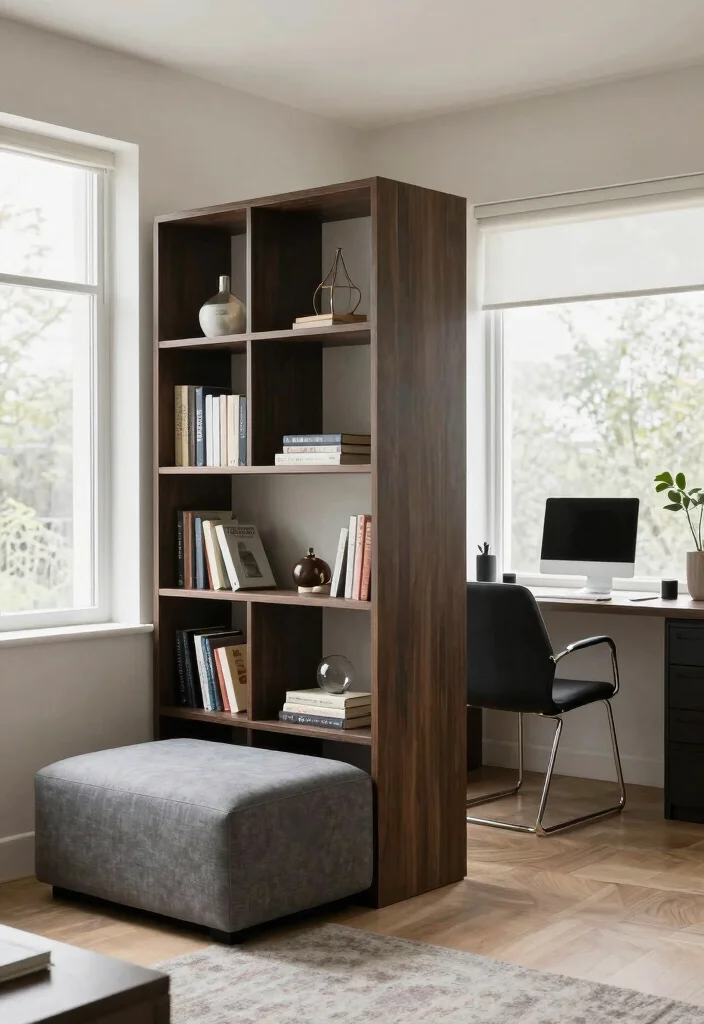
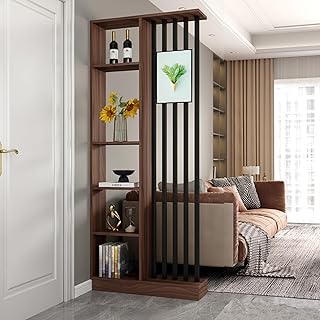
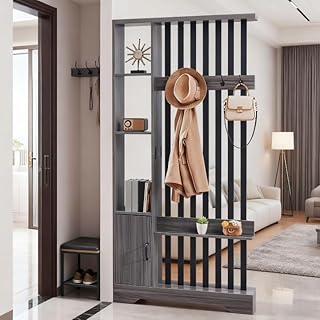
Multi-functional furniture is a smart solution for small living spaces, combining style and utility while acting as a partition. Think of a chic bookshelf that separates your living area from a workspace or an ottoman that can be easily moved as needed. This approach maximizes your space without sacrificing comfort or design.
Here are some practical options to consider:
– Choose a sofa with a backrest that can face two directions, creating distinct zones.
– Select a storage bench that functions as a divider while providing extra storage solutions.
– Look for pieces that integrate seamlessly into your decor while being functional.
Explore these ideas to make the most of multi-functional furniture:
– Use a coffee table with storage to keep your living area tidy.
– Incorporate ottomans that can double as seating or tables.
– Choose furniture that harmonizes with your color scheme.
This strategic approach allows you to delineate spaces effectively while enhancing the utility of your living room.
Multi-Functional Furniture
Editor’s Choice


7. Artistic Wall Partitions
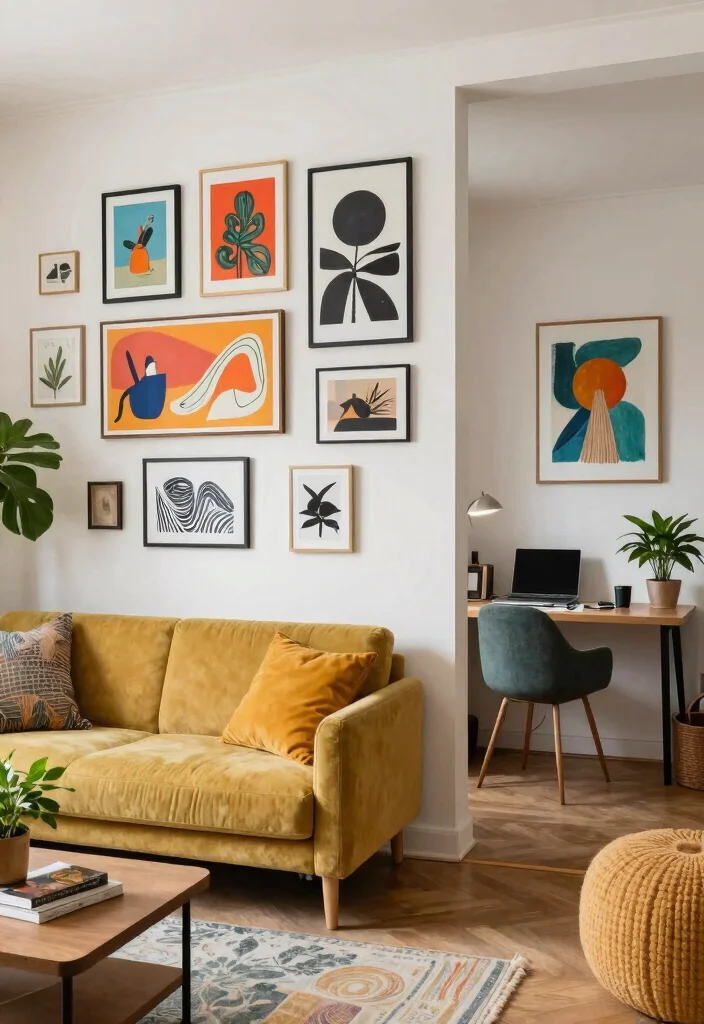
Wall partitions can serve both functional and artistic purposes in your living room. Whether it’s a modern art piece, a gallery wall, or a stylish decorative panel, these elements can divide spaces while enriching your decor with eye-catching details. Imagine a vibrant gallery wall that not only separates areas but also showcases your unique style.
Consider these creative ideas:
– Create a striking gallery wall that visually breaks up your living space.
– Use decorative panels to introduce texture and depth to your design.
– Incorporate built-in shelving that doubles as a partition while displaying art.
Enhance your living room further with these suggestions:
– Use bold colors in wall art to create focal points.
– Mix different art styles for an eclectic look.
– Frame your favorite photographs to personalize your space.
By incorporating artistic wall partitions, you define your areas while enhancing the overall aesthetic of your living room.
8. Built-In Shelving Units
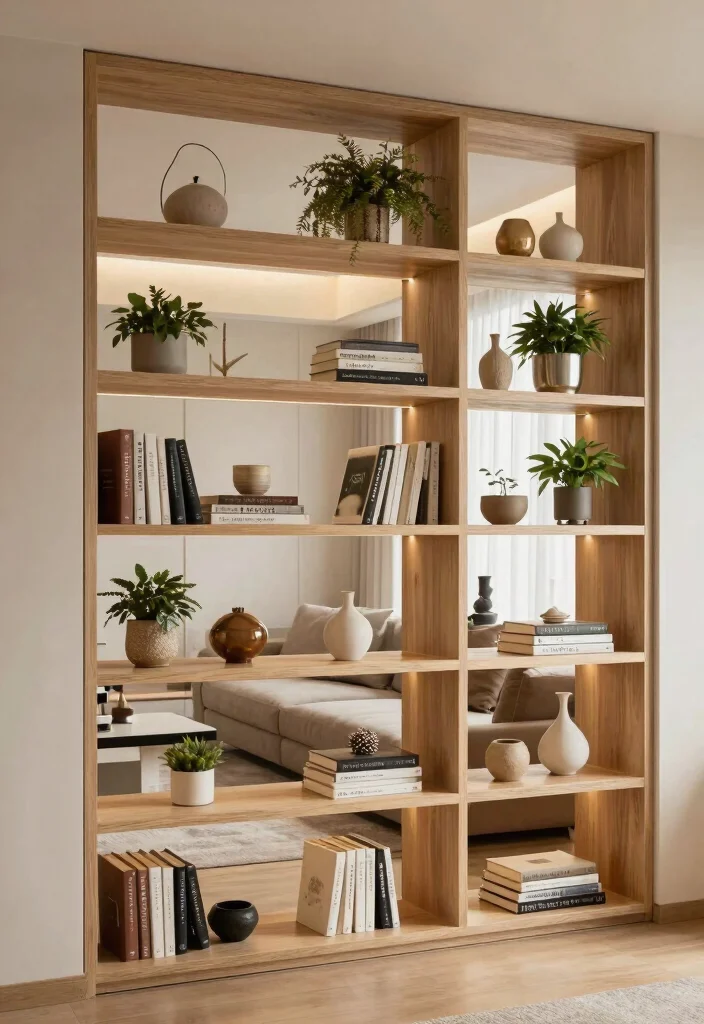
Built-in shelving units can significantly enhance your living room by defining zones and providing ample storage. They create a sense of structure while beautifully displaying your favorite items. Imagine customized shelves that fit perfectly into your walls, enhancing both functionality and style.
Here are some tips for implementing built-in shelving:
– Design shelves that seamlessly integrate with your walls for a polished look.
– Incorporate varying shelf heights to accommodate different decor styles.
– Add lighting within the shelves to showcase your prized possessions.
Utilize these ideas to enhance your living space:
– Use built-ins to display books, plants, or artwork for visual appeal.
– Create cozy reading nooks with built-in seating alongside shelves.
– Incorporate hidden storage for a clean, uncluttered look.
This design choice not only serves practical needs but also elevates the overall aesthetic of your living room.
Fun fact: built-in shelving units redefine zones and are key to partition ideas for living room, boosting perceived space by up to 25%. They combine storage with style, making your small living room feel open and organized. Design shelves to blend with walls for a polished, functional look.
Built-In Shelving Units
Editor’s Choice


9. Vertical Garden Separators
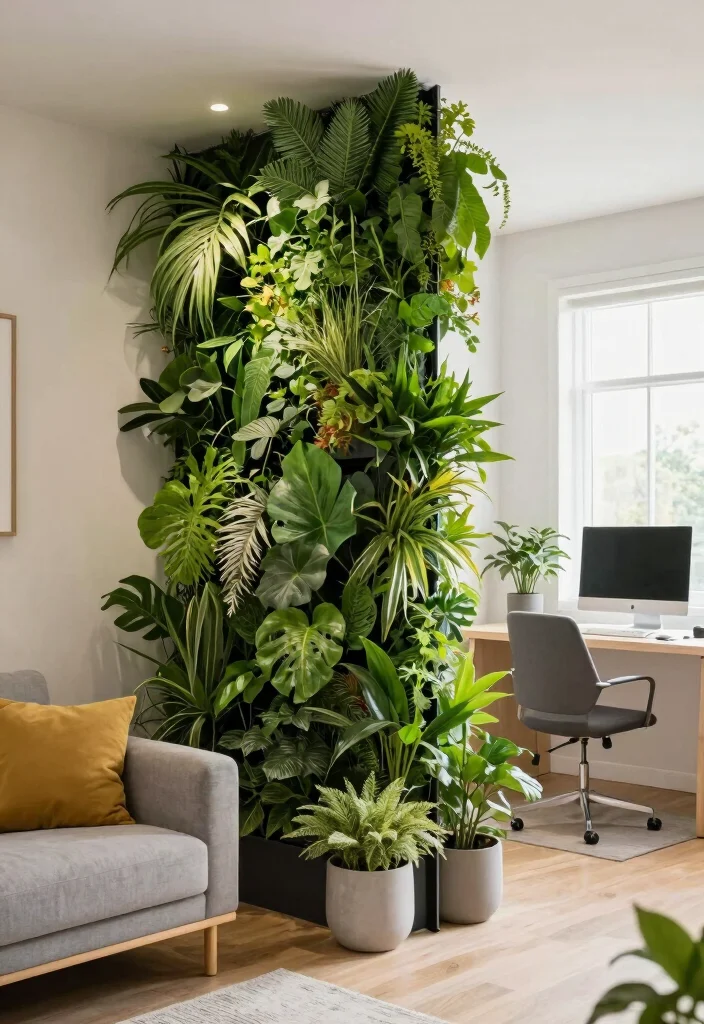
Vertical gardens are a refreshing way to create natural partitions in your living room while bringing life and greenery indoors. They not only separate areas but also improve air quality and add a touch of nature to your decor. Picture a vibrant vertical garden that serves as a beautiful barrier between your workspace and relaxation area.
Consider these tips for incorporating a vertical garden effectively:
– Select easy-to-maintain plants that thrive indoors for a low-maintenance option.
– Use wall-mounted systems or planter boxes to create a stunning green divider.
– Integrate gardening solutions that resonate with your style, whether modern or bohemian.
Explore these ideas to enhance your living space:
– Create a focal point with a variety of plants for visual interest.
– Use vertical gardens to improve acoustics and create a serene atmosphere.
– Add decorative pots that complement your interior design.
Incorporating a vertical garden not only beautifies your space but also enriches your living room’s overall ambiance.
10. Use of Color and Patterns
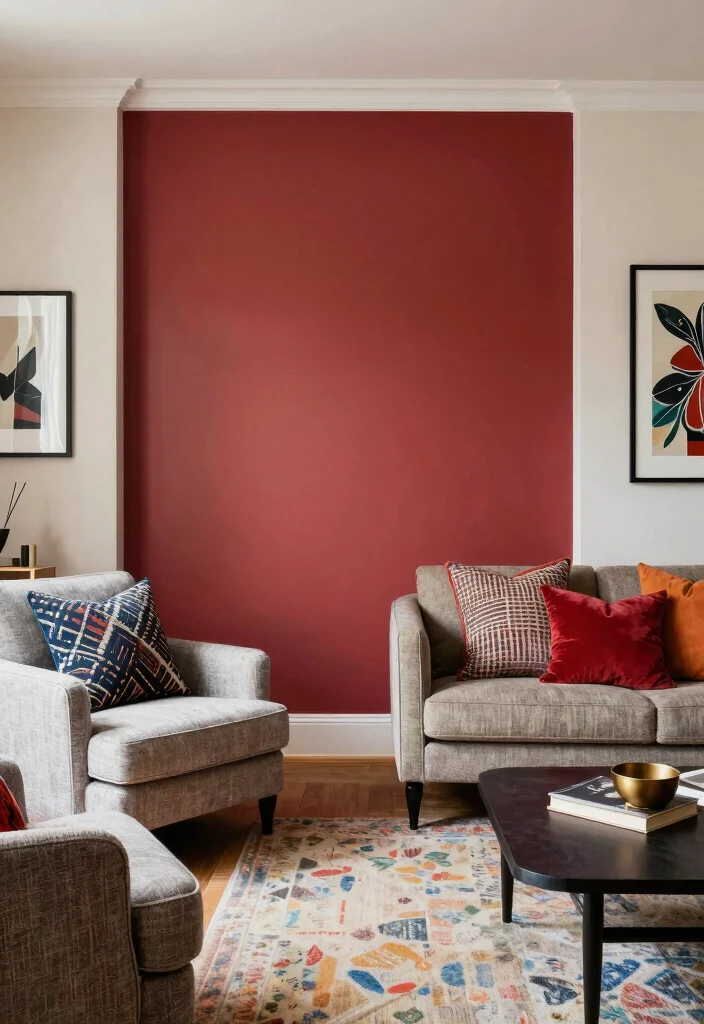
Colors and patterns can effectively define areas in your living room while enhancing its overall aesthetic. Different color schemes create visual boundaries that help distinguish spaces. Imagine vibrant accent walls that mark separate zones, making your living room feel cohesive yet dynamic.
Consider these approaches for using color and patterns:
– Paint accent walls in contrasting colors to visually separate areas.
– Use patterned textiles for cushions and drapes to create distinct spaces.
– Incorporate bold furniture colors in specific zones to draw attention.
Implement these ideas to enrich your design:
– Use neutral tones for a soothing backdrop, complemented by bold accents.
– Experiment with various patterns to add depth and interest.
– Choose colors that evoke the desired mood for each area.
Strategically using color and patterns ensures your living room remains cohesive while distinctly defining individual spaces.
Use of Color and Patterns
Editor’s Choice


11. Sliding Doors for Space Saving
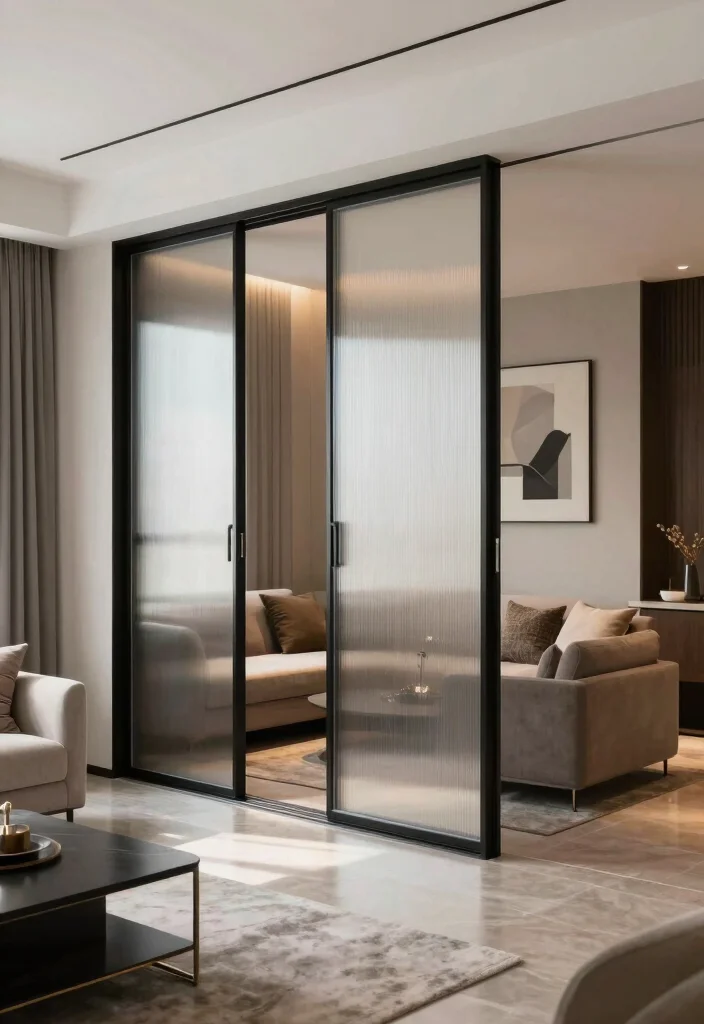
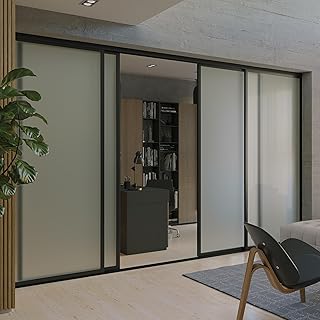
Sliding doors are an excellent solution for maximizing space in smaller living areas. They provide flexibility by allowing you to separate rooms when needed and slide open to create a more spacious feel. Imagine sleek glass sliding doors that maintain an open atmosphere while providing privacy when desired.
Here are some benefits of using sliding doors:
– They save space compared to traditional swinging doors, making them ideal for small areas.
– Opt for glass sliding doors to maintain brightness while ensuring privacy.
– Customize sliding doors with finishes that match your decor style for a cohesive look.
Explore these ideas for enhancing your space with sliding doors:
– Use frosted glass for a modern touch while providing privacy.
– Choose wooden sliding doors for a warm, rustic feel.
– Integrate sliding doors into your design for seamless transitions.
Sliding doors can elevate your living room’s functionality, offering a stylish and space-saving solution.
Did you know sliding doors can reclaim up to 25% more usable wall space in a small living room? When you use glass panels, you maintain an open feel while closing off zones, making partition ideas for living room both practical and stylish.
12. Creative Use of Plants
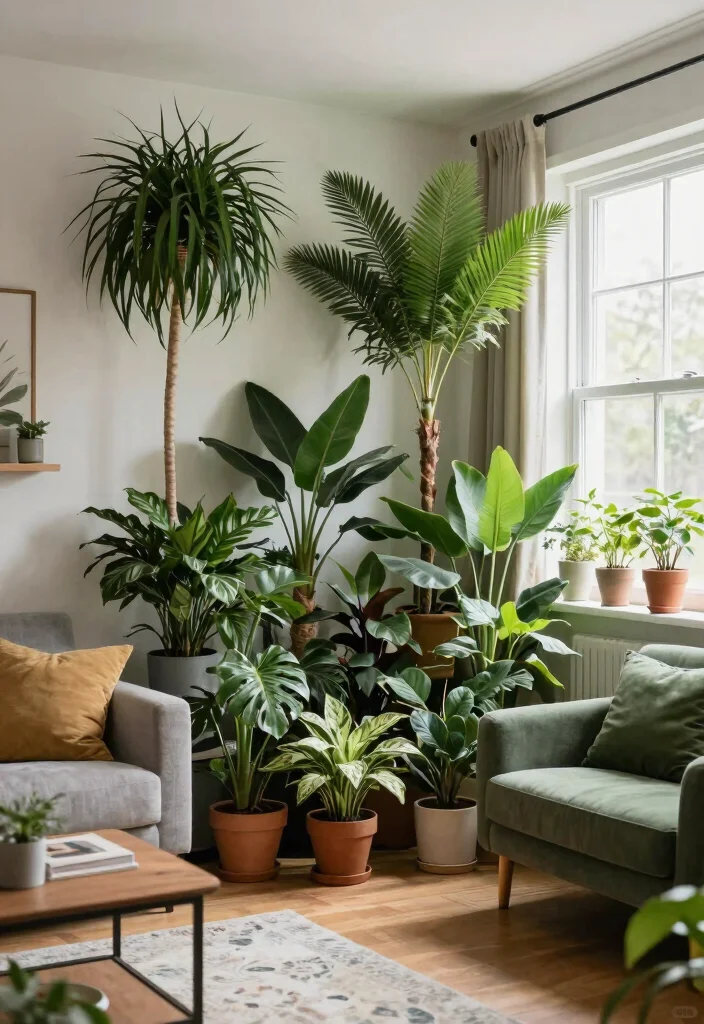
Plants can serve as natural dividers, helping to define areas while enhancing your living room’s aesthetic. They introduce life and color, contributing to a refreshing atmosphere. Picture tall potted plants that create a green boundary between your relaxation space and work area, adding both beauty and function.
Here’s how to effectively use plants in your living room:
– Position tall potted plants to form barriers between distinct zones.
– Create a dedicated plant corner that serves as a focal point while separating areas.
– Incorporate a variety of plants for diverse textures and colors.
Utilize these ideas to enhance your space:
– Use hanging plants to draw the eye upward and add dimension.
– Choose low-maintenance plants for ease of care and longevity.
– Experiment with planters in different styles to complement your decor.
Incorporating plants as partitions not only beautifies your living room but also improves air quality, making your space more inviting.
Conclusion
Partitioning your living room can transform the way you use your space while adding a personal touch to your home. From stylish curtains to creative plant arrangements, there are endless options to explore.
Each idea presents a unique way to optimize your home while ensuring it reflects your style. Consider your needs and preferences to select the partition solution that works best for you, and start redefining your living room today!
Note: We aim to provide accurate product links, but some may occasionally expire or become unavailable. If this happens, please search directly on Amazon for the product or a suitable alternative.
This post contains Amazon affiliate links, meaning we may earn a small commission if you purchase through our links, at no extra cost to you.
Frequently Asked Questions
What are practical partition ideas for living room that work in small spaces?
Looking for partition ideas for living room that fit a small space? Start with low-profile dividers that don’t block light, like open shelving, slim bookcases, or half-walls. Use space optimization by choosing pieces that add storage or display while creating distinct zones. Consider a floor-to-ceiling curtain or a movable screen to separate a compact seating area without visually shrinking the room. Accessories like area rugs and lighting can reinforce each zone while keeping a cohesive living room design.
How can I define zones in a living room without traditional walls?
Room dividers come in many forms: screens, bookcases, glass panels, or plant walls. For space optimization, choose dividers that offer function (storage or display) and allow light to travel. In terms of home interior styles, select materials and colors that match your style, whether airy modern or cozy transitional. Use room dividers to casually separate a lounging corner from a workspace, a dining nook, or a play area, while keeping sightlines open.
What materials and styles suit modern decor ideas for partitioning a small living room?
Modern decor ideas favor light, sleek options: glass or acrylic panels, thin metal frames, or floating shelves that act as dividers without bulk. For home interior styles that feel airy, choose neutral colors, transparent or translucent screens, and minimalist silhouettes. Pair with space optimization strategies like tall bookcases, plants, or pendant lighting to define zones while preserving spacious vibes.
Are there budget-friendly or DIY partition ideas I can try?
Absolutely. You can craft partition ideas for living room on a budget with DIY curtains, tension rods, or portable screens. A repurposed bookcase or IKEA-style cabinet with a few decorative panels can create a flexible divider. Use lightweight, movable options so you can reconfigure as your needs change and still maintain living room design cohesion.
How do I choose the right partition to balance aesthetics and function in a small living area?
Start by measuring traffic flow and natural light, then pick a divider that offers storage or display while matching your modern decor ideas and overall home interior styles. Consider color, scale, and whether you want a visible barrier or a subtle boundary. A good partition should enhance space optimization and create comfortable zones without making the room feel cluttered.